
Vacation rental photography mistakes can quietly cost you bookings, revenue, and visibility. Learn the do's and don'ts that help your listing stand out and convert more guests.
How to Photograph Keystone & Summit County Vacation Rentals
There's no doubt that professional photography — or at least very high-quality photos — can have a remarkable impact on your vacation rental's performance. Listings with professional images in in Keystone and throughout Summit County receive 61% more views, generate 24% more bookings, and can command nightly rates that are at least 50% higher. Some hosts even report receiving an average of five bookings on the very day their new professional photos go live.
Yet many owners still treat photography as an afterthought, relying on smartphone snapshots or outdated images to showcase what is often their biggest investment. It's a mistake that can cost thousands in lost revenue.
The good news? Most photography mistakes are easy to fix once you know what to look for.
In this blog post, we'll cover the biggest do's and don'ts of Keystone vacation rental photography, along with the simple changes that can help your listing stand out.
Before we jump in, a little about us
Summit County Mountain Retreats is a locally rooted vacation rental management company with over 15 years of experience in Summit County. Backed by a team of 150+ professionals, we combine real-time data, dynamic pricing, and targeted marketing with hands-on local expertise to maximize revenue, maintain high occupancy, and deliver a seamless ownership experience.
1. Don't: Rely on Your Smartphone
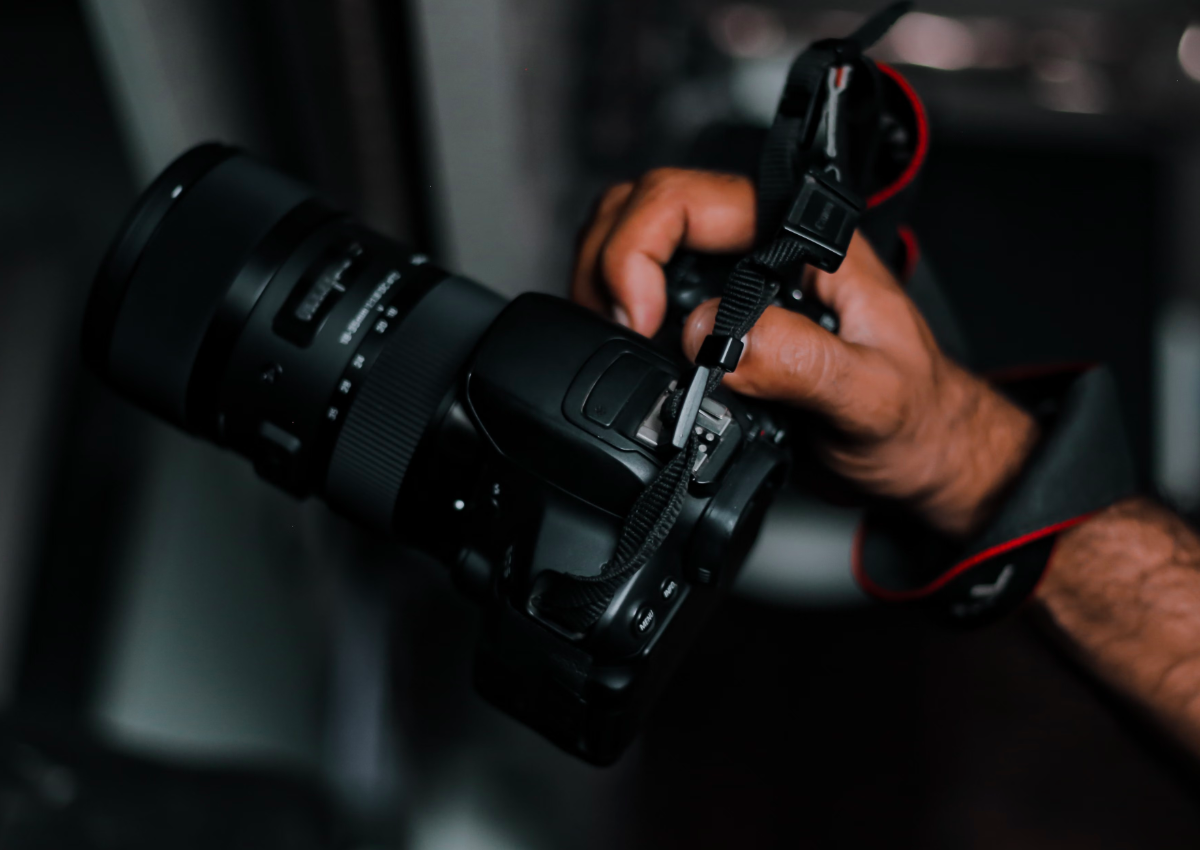
It may be tempting to grab your phone and photograph the property yourself. Vacation rentals are different, though. Most rooms require wide-angle lenses to capture the full space naturally, and phone cameras often leave interiors looking darker, grainier, and much smaller than they really are. What feels bright and spacious in person can easily appear cramped on a listing.
Do: Hire a Professional Photographer
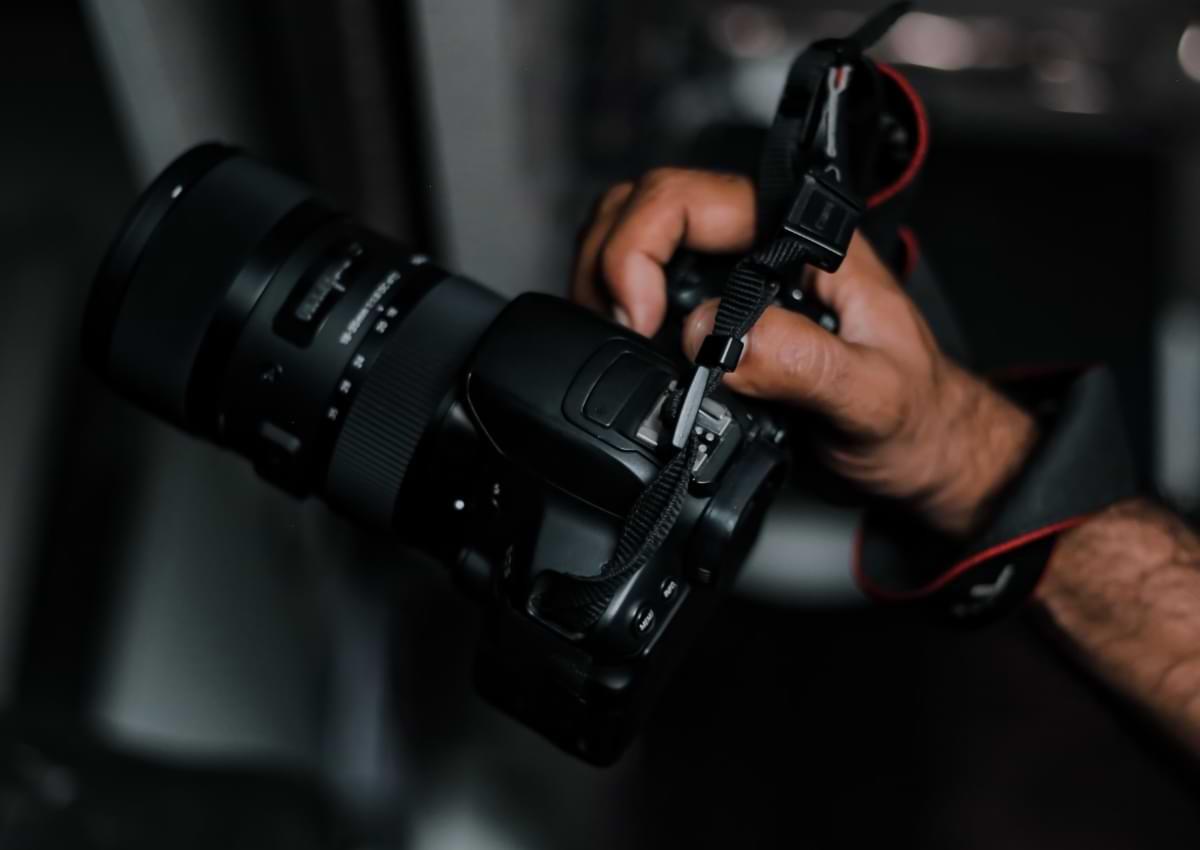
Professional photography is one of the highest-return investments you can make for your vacation rental. Experienced photographers use specialized wide-angle lenses that capture entire rooms without the stretched, fish-eye effect common with inexpensive phone attachments. They also rely on tripods for sharp, high-resolution images and techniques such as HDR photography to balance bright windows with darker interiors.
The work continues after the shoot. Professional editing ensures every image is bright, crisp, and visually consistent, creating a polished first impression that helps build guest confidence.
A professional session typically costs around $250 to $400, but the increase in listing views, bookings, and nightly rates often means it pays for itself very quickly.
A professional session typically costs around $250 to $400, but the increase in listing views, bookings, and nightly rates often means it pays for itself very quickly.
2. Don't: Fill Your Listing With Only Wide-Angle Room Photos
Wide-angle images are essential, but they shouldn't tell the whole story. Many owners photograph each room from a distance and stop there, leaving guests with little sense of what it actually feels like to stay in the home. The result is a listing that documents the property but doesn't create an emotional connection.
Do: Tell a Story Through Your Photos
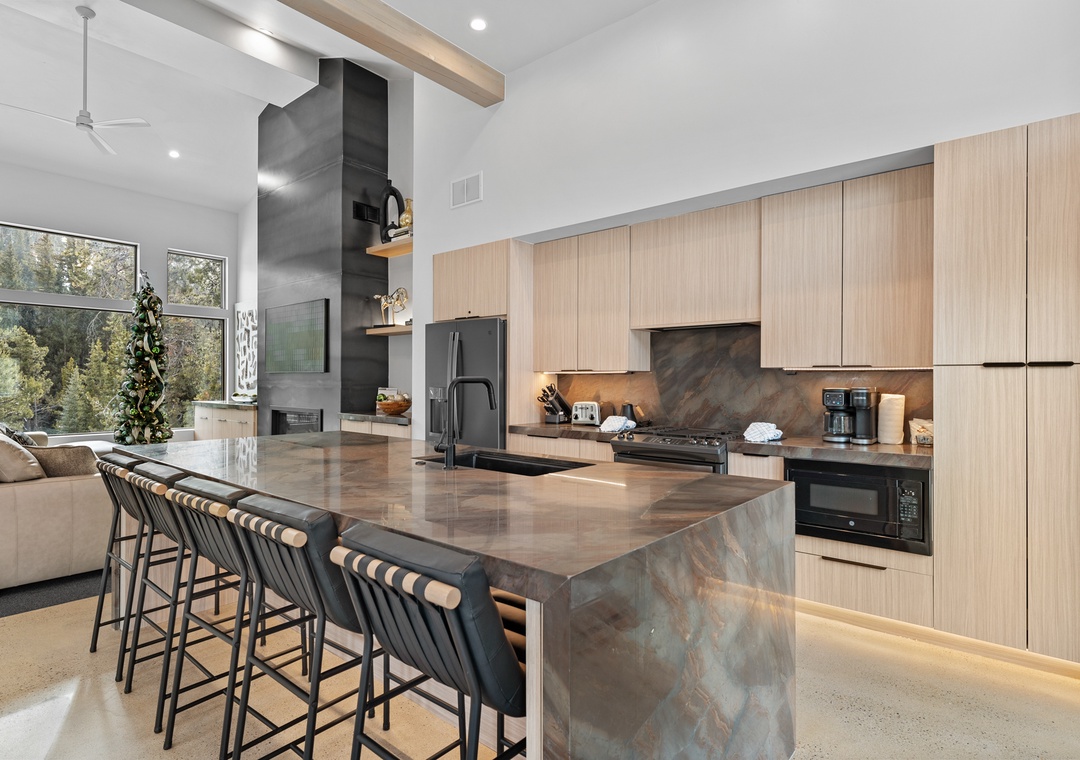
Treat your listing like a lifestyle magazine rather than a real estate brochure. Alongside wide shots of each room, include mid-range images and close-ups that highlight the property's personality.
Pay just as much attention to the order of your gallery. Lead with a standout hero image that immediately grabs attention (more on that below), then guide viewers naturally through the home by mixing wide room shots with detail images that reveal its character.
Pay just as much attention to the order of your gallery. Lead with a standout hero image that immediately grabs attention (more on that below), then guide viewers naturally through the home by mixing wide room shots with detail images that reveal its character.
3. Don't: Photograph Cluttered Rooms
More isn't always better. Trying to showcase every piece of furniture, decoration, or appliance often has the opposite effect you desire, making rooms appear smaller, busier, and less inviting.
Bulky countertop appliances, extra furniture, and cluttered surfaces are especially common culprits that take attention away from the property's best features.
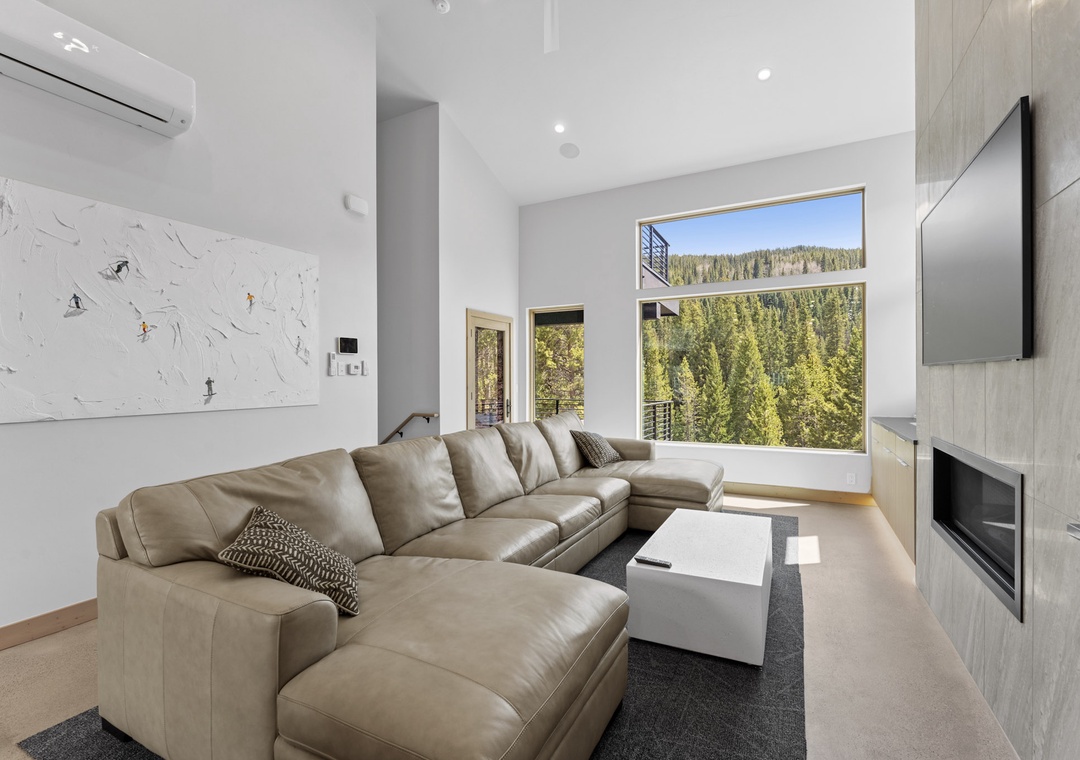
Do: Create a Clean, Inviting Space
Before the camera comes out, stage your home with a "less is more" mindset. Remove unnecessary furniture to create clear pathways, store bulky kitchen appliances out of sight, and clear surfaces so each room feels open and spacious. Professional photographers also need room to capture the property's natural flow from one space to the next.
Once the space is decluttered, add a few carefully chosen touches that tell a story. A beautifully set dining table, a tray with a teapot and cups, or a lit fireplace can help guests imagine themselves enjoying the home.
4. Don't: Leave Personal Items in Plain Sight
Guests don't want to feel like they're stepping into someone else's home. Family photos, refrigerator magnets, personal toiletries, and other everyday belongings interrupt the vacation mindset and make it harder for travelers to picture themselves staying there. Even small details such as loose cables, old magazines, or visible electronics can make a space feel untidy and lived in.
Do: Create a True Blank Canvas
Before your photo shoot (and before you guest arrives), remove anything that reminds guests the property belongs to someone else. Store away personal photographs, toiletries, magnets, and everyday household items. In the kitchen and bathrooms, hide dish soap, sponges, paper towels, and other utility products. It's also worth removing trash cans from view, as they instantly shift attention away from the experience you're trying to sell.
The goal is to present a clean, neutral space where guests can easily imagine themselves relaxing, cooking, or spending time with family and friends.
5. Don't: Photograph a Dark Property
Lighting can make or break your listing. Photos taken at night, with curtains closed, or in poorly lit rooms often make a vacation rental look smaller, darker, and less inviting than it really is. Even a beautiful home can lose its appeal if guests can't clearly see the space.
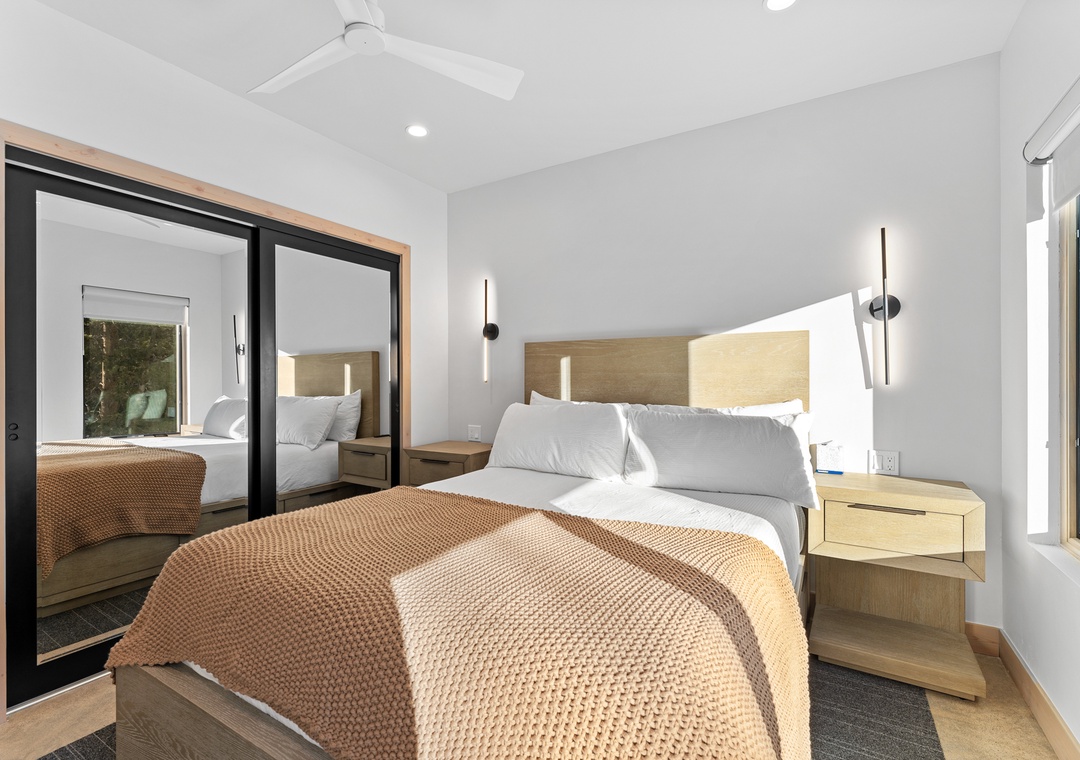
Do: Let the Light Work for You
Natural light is one of the simplest ways to elevate your listing photos. Open every curtain, blind, and door before the shoot to fill the home with daylight and create a brighter, more spacious feel. If possible, schedule the session for a sunny day and time it around when each room receives the best light. Early morning and late afternoon, often called the golden hour, produce a soft, warm glow that's especially flattering.
Natural light should also be complemented by artificial lighting. Turn on every lamp and light fixture throughout the home to reduce harsh shadows and create a welcoming atmosphere. Warm bulbs generally produce a much more inviting look than cooler, bluish lighting.
6. Don't: Shoot Everything at Eye Level
If you take every photo while standing upright, the angle often distorts a room's proportions, making spaces appear smaller and less inviting than they are in person. At the same time, tilting the camera up or down can also cause walls and door frames to look slanted, creating an unprofessional appearance.
Do: Keep the Camera Low and Level
Professional photographers typically position the camera around chest or hip height for wide room shots. This angle captures the tops of beds, tables, and other furniture naturally while helping rooms feel more spacious. Just as important, the camera should stay perfectly level so walls, windows, and door frames appear straight rather than leaning inward.
Using a tripod helps maintain a consistent height and keeps every image sharp and properly aligned throughout the gallery. For close-up detail shots, however, don't be afraid to change your perspective. Moving closer or adjusting the camera height can better highlight textures, premium finishes, and thoughtful design details that help tell the property's story.
7. Don't: Photograph Rooms Straight-On
Pointing the camera directly at a wall may seem like the obvious choice, but it often flattens the room and removes any sense of depth. Without perspective, spaces can feel smaller, tighter, and less inviting than they really are. Guests also have a harder time understanding the layout and how different areas connect.
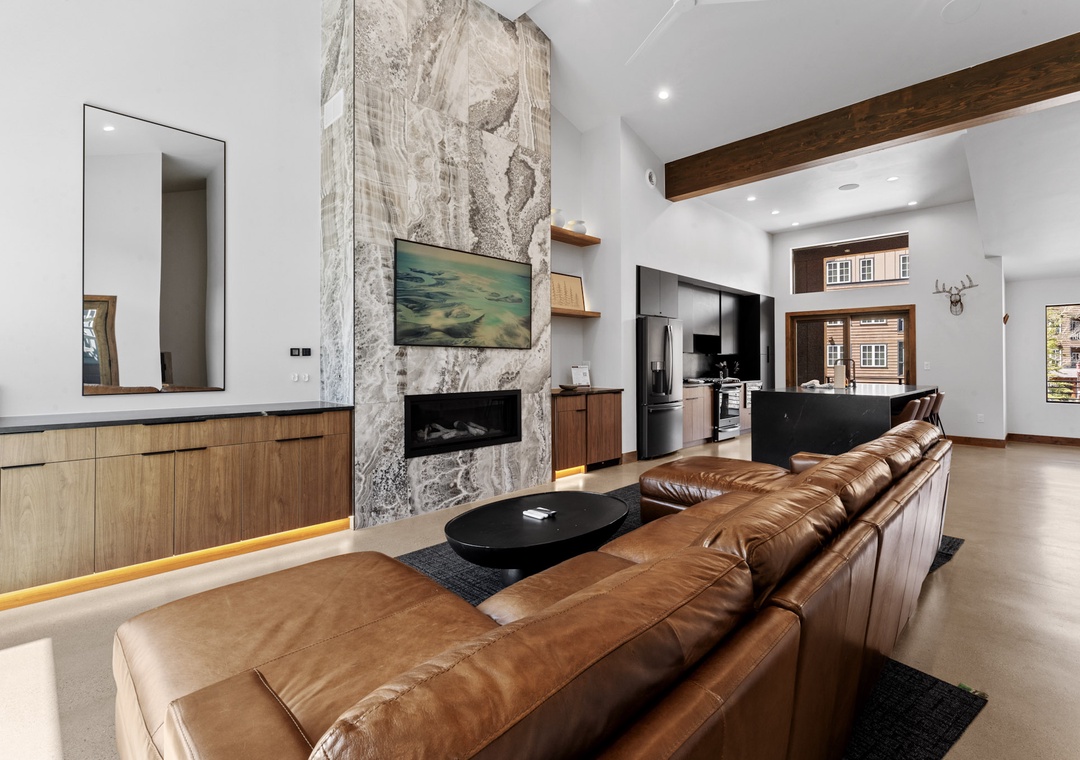
Do: Shoot Into Corners and Diagonal Angles
Whenever possible, position the camera so it looks into a corner rather than straight at a wall. Diagonal angles add depth, help showcase the room's layout, and give viewers a much better sense of the available space. Including part of the floor also helps communicate the room's proportions while highlighting attractive features such as hardwood floors or statement rugs.
There are a few exceptions. Straight-on shots work well for standout features like a beautifully made king bed or a premium kitchen range, where the goal is to draw attention to a single focal point rather than the room's overall dimensions. The strongest listing galleries usually combine both approaches.
8. Don't: Misrepresent Your Property
It can be tempting to use creative angles or heavy editing to hide nearby neighbors, minimize flaws, or exaggerate a view. Resist the urge. When guests arrive and the property doesn't match the photos, disappointment often turns into poor reviews. In vacation rentals, trust is far more valuable than a picture-perfect image.
Also, avoid showcasing amenities or welcome gifts that won't actually be available during every stay, as these can also create unmet expectations.
Do: Set Honest Expectations
Your photos should accurately reflect the experience guests will have. If the view is partial or neighboring homes are close by, represent them honestly instead of trying to hide them. Include exterior photos and images of the surrounding area so guests understand exactly what they're booking.
The goal isn't perfection; it's credibility. Guests are far more likely to leave positive reviews when the property looks just as it did in the listing.
9. Don't: Lead With a Generic Cover Photo
Your first image has one job: convince someone to stop scrolling and click on your listing. If your cover photo is a standard living room shot or another uninspiring image, potential guests may never see the rest of your gallery. In a crowded marketplace like Summit County, a weak hero image can significantly reduce clicks and, ultimately, bookings.
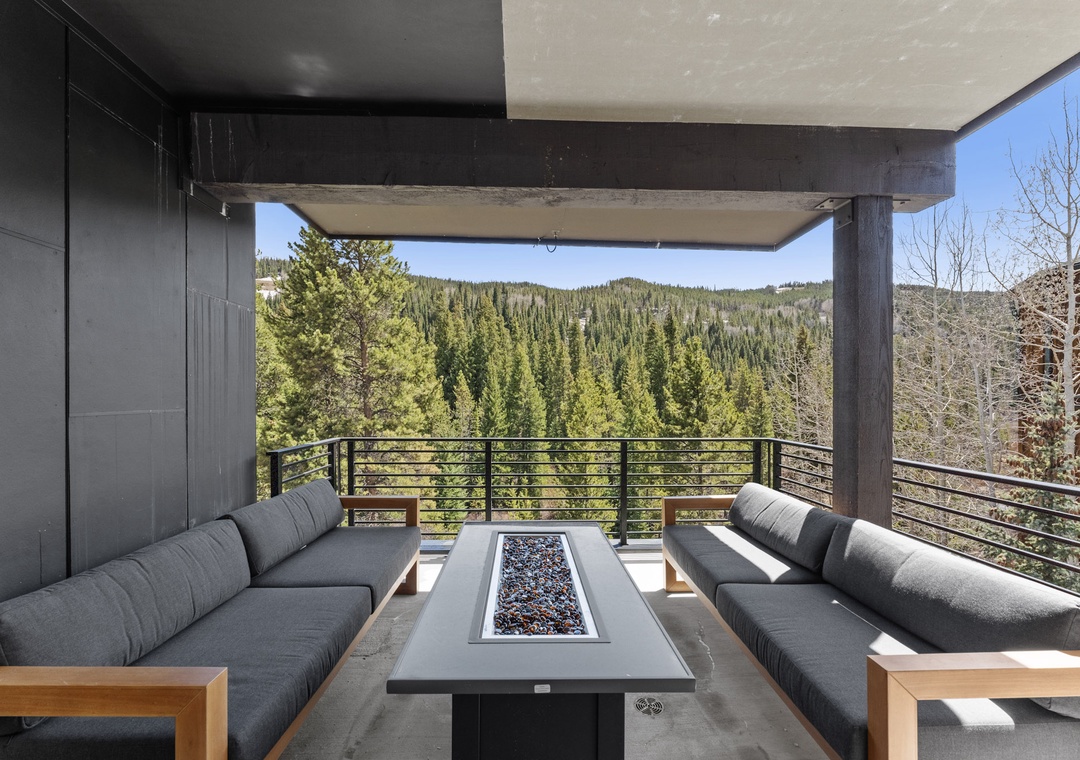
Do: Choose a Scroll-Stopping Hero Image
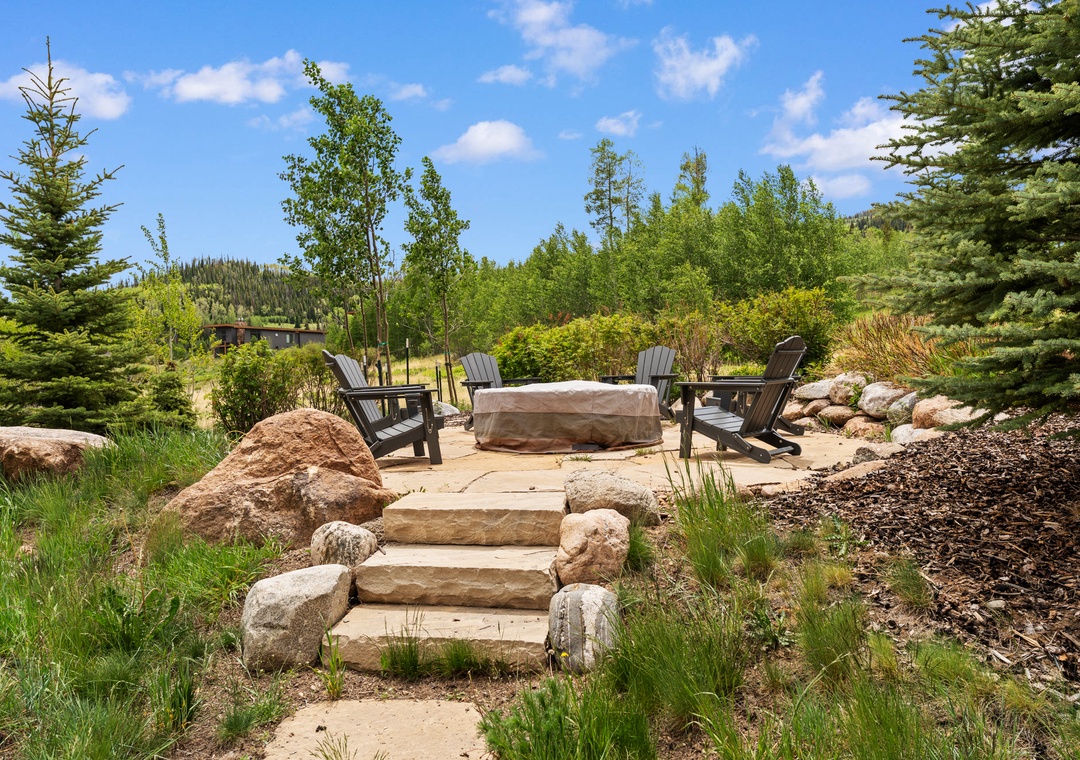
Lead with the feature that makes your property unforgettable. It could be a balcony overlooking the mountains, a beachfront sunrise, a cozy fireplace, a beautifully designed outdoor space, or another standout amenity.
Think beyond the first photo, too. Your opening gallery should immediately reinforce your property's strongest selling points. Together, these first few photos create a powerful first impression and encourage guests to keep exploring your listing.
10. Don't: Upload Too Few Photos
We mentioned above that less is more — but that's for decor. A handful of images rarely gives guests enough information to book with confidence. If your gallery skips bedrooms, bathrooms, outdoor spaces, or key amenities, travelers are left guessing about the property's layout and what they'll actually have access to. Unanswered questions often lead to fewer bookings.
Do: Create a Complete Visual Tour
Aim for at least 25 high-quality photos that showcase every guest-accessible area, including bedrooms, bathrooms, living spaces, the kitchen, outdoor areas, and standout amenities such as hot tubs, game rooms, or laundry facilities. Rather than repeating similar angles, make each image add something new to the story.
For every room, include a mix of wide shots that show the layout, mid-range images that capture the flow, and close-ups that highlight thoughtful details. Finally, organize the gallery in a logical order so guests naturally move through the home from one space to the next. A complete, well-structured gallery gives travelers the confidence to book because they know exactly what to expect.
Want to Elevate Your Rental Performance?
Partner with Summit County Mountain Retreats' dedicated team of property managers who work around the clock to provide true boots-on-the-ground care for your property, as if it were their own. They provide clear direction, visibility, and stronger returns for your listing without the day-to-day burden.
Curious about your property's potential? Request a free rental projection for a clear, data-driven estimate and an actionable path to higher earnings.